Dieulefit
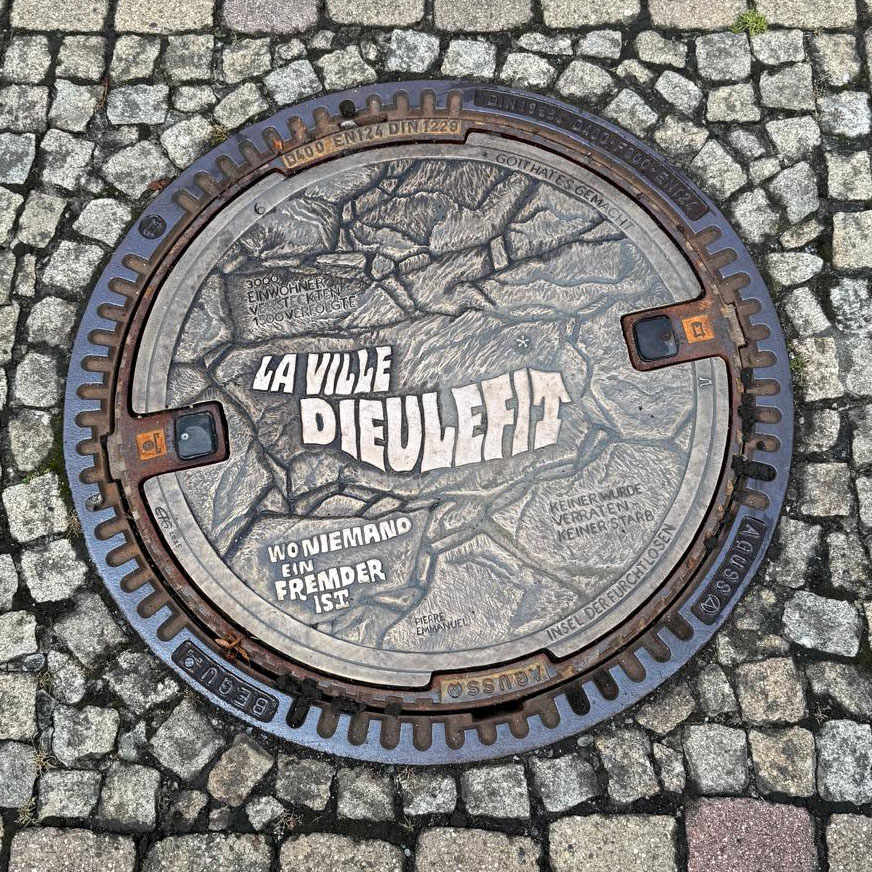
3,000 inhabitants – 1,500 rescued. No one betrayed. No one lost.
Thus begins the extraordinary story of a small southern French town that became a site of civil resistance between 1940 and 1944 – quietly, consistently, and with solidarity.
In the summer of 1940, thousands fled from German troops in northern and western France to the seemingly safe south. But even there, democracy collapsed: The authoritarian Vichy regime under Marshal Pétain increasingly supported the German occupation. Anti-Semitic laws, repression, and deportations soon spread to the Zone libre to themselves.
Amidst this threat, Dieulefit, a small town in the Drôme département, became a refuge. 1,500 persecuted people – including Jews, opponents of the regime, intellectuals, and children – found refuge here. The municipality had only 3,000 inhabitants. Yet no one was denounced, no one was extradited.
Civic courage as a collective effort
Dieulefit was prepared – not institutionally, but in spirit. As a health resort with clinics, pensions, and sanatoria, the city offered places of retreat. The people exercised discretion; many actively helped, some silently; all were guided by a common consciousness: humanity precedes obedience.
What was crucial was the commitment of individuals at key points. The young parish secretary forged documents and identification cards with the connivance of the mayor. At the Jeanne Barnier Beauvallon school, Marguerite Soubeyran, Catherine Krafft and Simone Monnier worked – they hid hundreds of Jewish children, kept the classes going and provided comfort. The number of students doubled – despite rationing and danger.
Solidarity without words
Communists organized escape routes, peasants shared their harvests. The gendarmerie looked the other way. Priests issued baptismal certificates for Jewish children. The prefect ignored what he knew. Solidarity was complete – no one spoke about it, everyone acted.
The attitude of Dieulefit had a tradition: Since the 17th century, the place had been a refuge for Huguenots. Over generations, Protestants and Catholics had learned to respect each other. In war, this tolerance gave rise to resistance.
„A city where everyone tacitly showed resistance.“
When the Wehrmacht occupied southern France in 1944, many places became sites of reprisals. Dieulefit remained miraculously untouched.
On August 21, 1944, the war was over for the town – and 1,500 people were still alive.
Film historian Bernard Eisenschitz describes Dieulefit in retrospect as follows:
„A small town where everyone was tacitly a resistance fighter […] everyone knew about it, but no one ever said anything.“
Remembrance and recognition
Nine people from Dieulefit were recognized by Yad Vashem as Fairness among the peoples Honored – for their courage to save lives without demanding anything in return:
Jeanne Barnier Catherine Krafft, Simone Monnier, Marguerite Soubeyran, Emmeline and Elie Abel, Madeleine and Pol Arcens, and Henri Morin.
Today, a plaque in the town hall commemorates her actions. Her spirit continues to live on in the school in Beauvallon.