White Edelweiss Pirates
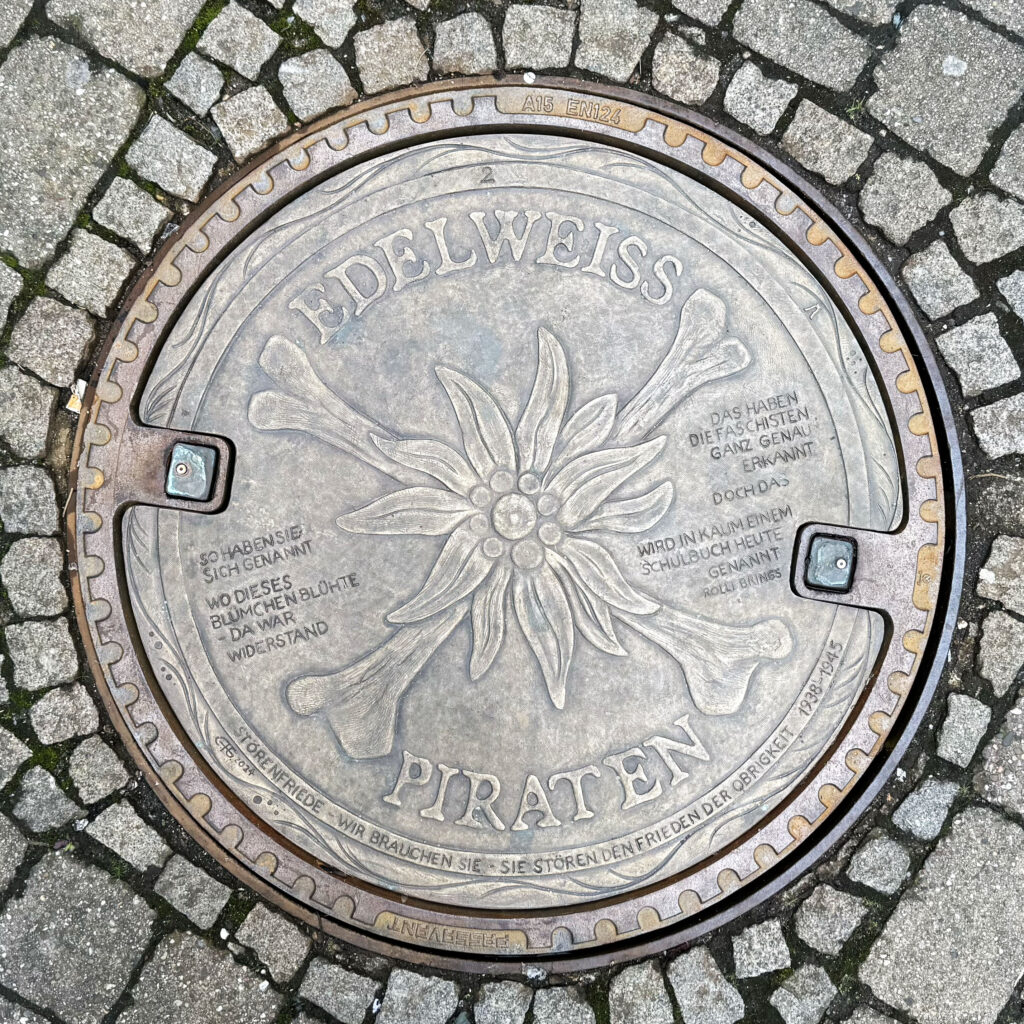
That was how they called themselves: White Edelweiss Pirates. At a time when obedience, conformity and control determined the lives of young people, some teenagers decided not to participate. Not at school, not on the street – and certainly not in the Hitler Youth.
Instead, they met secretly in forests, backyards and on railroad embankments. They listened to forbidden music, wore long hair, spoke their own language – and the rose on their clothes was their silent sign of resistance.
What initially seemed like youthful protest soon grew into something more. The Nazi regime saw them as a threat. The Gestapo began systematically monitoring groups in Cologne, Düsseldorf, and other cities. Interrogations, imprisonment, and intimidation followed – but the resistance did not stop. On the contrary: The harsher the repression, the more determined some of the youths became.
They concealed forced laborers, distributed anti-regime leaflets, and carried out sabotage acts. Particularly in Cologne-Ehrenfeld, in 1944 a group formed that openly waged armed resistance. Under danger to their lives, they provided food and protection for Jewish victims of persecution.
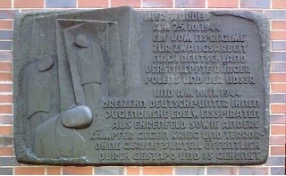
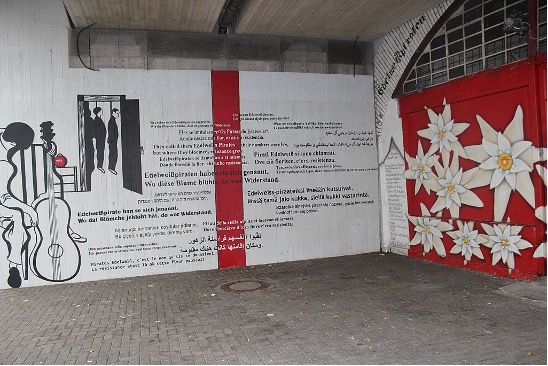
For the regime, that was too much. In November 1944, the Gestapo publicly executed 13 members of the group – among them the just 16-year-old Barthel Schink. Today, a memorial plaque commemorates these brave young people at the railway arches in the Schönsteinstraße in Cologne.
No myth – lived resistance
The Edelweißpiraten were not a central organization but rather a loose network of young people with a clear goal: freedom. Originally not politically motivated, the growing repression led to the politicization of their actions. Unlike, for example, the White Rose, They, who acted primarily through flyers, adopted spontaneous, direct forms of resistance.
What united them was the will not to submit and the courage to stand up despite the threats of punishment for their convictions.
Late recognition
For decades, the Edelweißpiraten were considered by many to be „criminal troublemakers“. Only under public pressure – including by Gertrud „Mucki“ Koch, herself an Edelweißpiratin – were they officially rehabilitated and recognized as resistance fighters in 2005. The street where the executions took place was renamed Schinkstraße.
Jean Jülich Michael Jovy and Barthel Schink were posthumously honored by Yad Vashem as „Righteous Among the Nations“ – for saving Jewish people in the destroyed Cologne Ehrenfeld.
Remembrance today
The story of the Edelweißpiraten continues – in music, literature and film. The Edelweißpiraten Festival in the Cologne Peace Park, numerous biographies and documentaries keep their legacy alive.
Your example shows: Resistance is possible – even under the greatest pressure. And sometimes it starts with nothing more than a small rosebud.